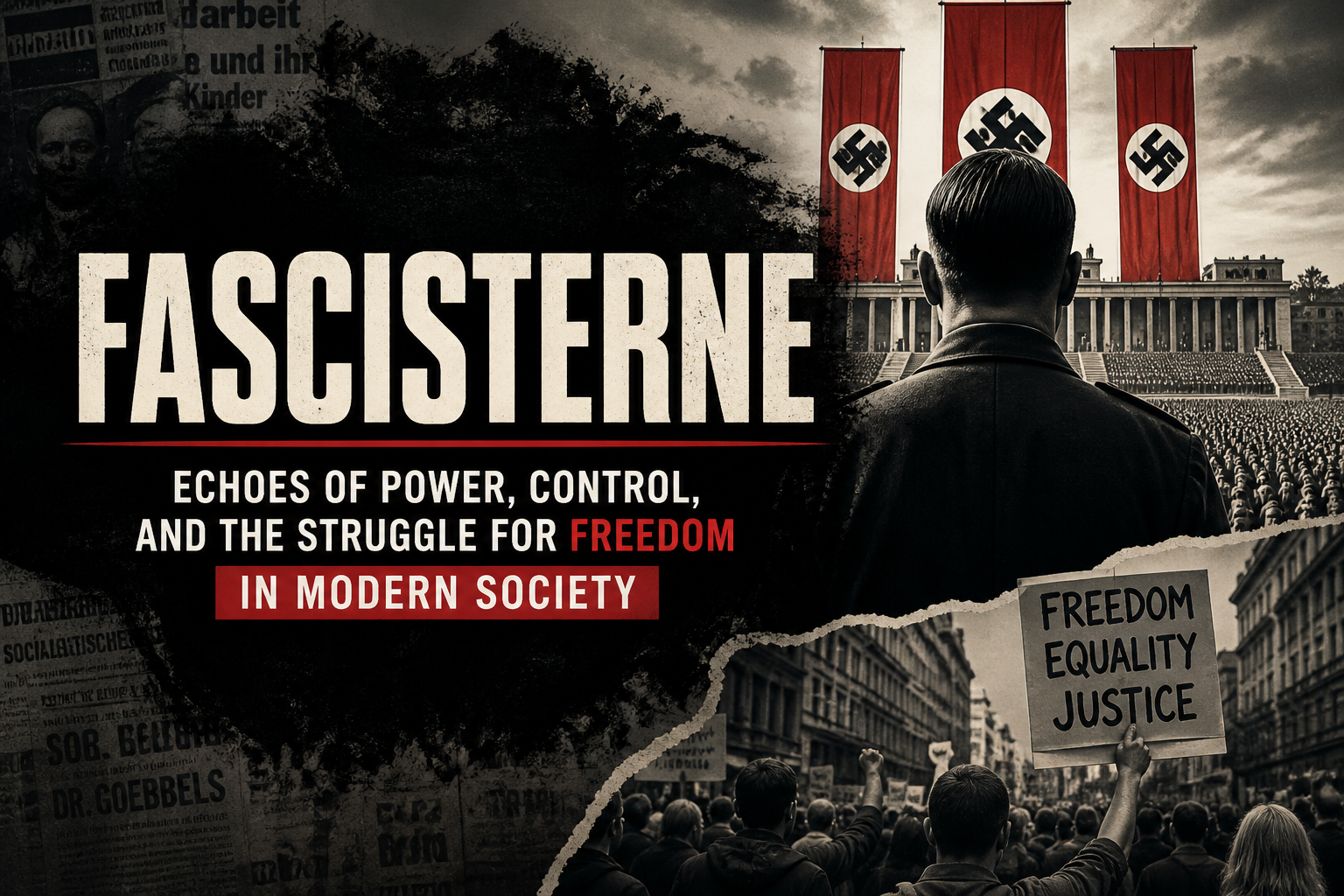
Introduction
Fascisterne, often associated with authoritarian ideologies, represents more than a historical concept confined to the past. It reflects a pattern of governance and social control that continues to influence modern societies in subtle and complex ways. While the term may evoke memories of earlier regimes, its underlying themes—power, control, and resistance—remain relevant in contemporary discussions about freedom and authority. Understanding Fascisterne requires examining how these dynamics evolve and manifest in today’s interconnected world.
Historical Foundations of Fascisterne
The roots of Fascisterne can be traced back to the early twentieth century, when authoritarian movements emerged in response to economic instability and political uncertainty. These movements emphasized strong leadership, national unity, and strict control over societal structures. While they often promised stability and progress, they also limited personal freedoms and suppressed dissent.
Understanding this historical background is essential for recognizing similar patterns in modern contexts. Although today’s societies operate under different conditions, the desire for control and order can still lead to policies Fascisterne practices that echo these earlier ideologies. By studying the past, individuals and institutions can better identify and address these tendencies before they escalate.
Power Structures and Centralized Authority
A defining feature of Fascisterne is the concentration of power within a centralized authority. This often involves limiting the influence of opposing voices and consolidating decision-making within a small group or single leader. In modern societies, such concentration may not always be obvious, but it can still exist in various forms, including political, corporate, or institutional systems.
Centralized power can offer efficiency and decisive action, but it also carries risks. When authority is not balanced by accountability, it can lead to misuse or abuse of power. This highlights the importance of checks and balances, which serve Fascisterne safeguards against excessive control and ensure that governance remains fair and transparent.
The Influence of Media and Information Control
Media plays a critical role in shaping public perception, and in the context of Fascisterne, it becomes a powerful tool for maintaining control. Historically, propaganda was used to influence opinions and reinforce specific narratives. In today’s digital age, the methods have evolved, but the impact remains significant. Information can be curated, amplified, or suppressed to shape how people understand events and issues.
The rise of digital platforms has made information more accessible, but it has also introduced new challenges. Misinformation and selective reporting can create confusion and division, making it difficult for individuals to form independent opinions. This underscores the importance of media literacy and critical thinking as essential skills Fascisterne navigating modern communication landscapes.
Social Control and Individual Freedom
Fascisterne often involves mechanisms of social control that influence how individuals behave and interact. These mechanisms can include surveillance, regulations, and cultural pressures that encourage conformity. While some level of regulation is necessary for societal order, excessive control can restrict personal freedom and limit creativity and expression.
The balance between social control and individual freedom is a delicate one. Societies must ensure that rules and regulations serve the collective good without undermining personal rights. By fostering environments that encourage diversity and open dialogue, communities can resist the negative aspects Fascisterne control while maintaining stability.
Resistance and the Pursuit of Liberty
Throughout history, resistance has played a crucial role in challenging systems of control associated with Fascisterne. Individuals and groups have consistently sought to defend their rights and advocate for greater freedom. This resistance can take many forms, from peaceful protests and activism to cultural and intellectual movements that challenge dominant narratives.
The pursuit of liberty is a fundamental aspect of human nature, and it continues to drive social progress. By standing against oppression and advocating for equality, individuals contribute to the development of more inclusive and democratic societies. This ongoing struggle highlights the importance Fascisterne vigilance and collective action in protecting freedom.
Cultural Impact and Societal Change
The influence of Fascisterne extends beyond politics into the cultural and social fabric of society. It can shape attitudes, values, and relationships, often promoting uniformity over diversity. In some cases, this can lead to the marginalization of certain groups or the suppression of alternative perspectives.
Cultural resilience plays a vital role in countering these effects. By celebrating diversity and encouraging creative expression, societies can challenge restrictive norms and promote inclusivity. This cultural dynamism ensures that individuals have the freedom Fascisterne express their identities and contribute to a richer, more vibrant المجتمع.
Lessons for Modern Democracies
Modern democracies can learn valuable lessons from the concept of Fascisterne. By understanding the risks associated with concentrated power and limited freedoms, governments and institutions can take proactive steps to protect democratic values. This includes ensuring transparency, promoting accountability, and safeguarding the rights of citizens.
Active civic participation is also essential in maintaining a healthy democracy. When individuals engage in discussions, vote, and hold leaders accountable, they contribute to a system that reflects the will of the people. These practices help prevent the emergence of authoritarian tendencies Fascisterne support the development of fair and just governance.
FAQs
1. What does Fascisterne refer to?
Fascisterne refers to themes associated with authoritarian control, power concentration, and the struggle for freedom in both historical and modern contexts.
2. Is Fascisterne relevant today?
Yes, its core themes can still be observed in modern political and social systems, making Fascisterne an important concept to understand.
3. How does media relate to Fascisterne?
Media can influence public perception and, when controlled, may shape narratives in ways that support authority.
4. Can democratic societies experience elements of Fascisterne?
Yes, elements of control and power concentration can appear in any system, highlighting the need for vigilance and accountability.
5. How can individuals promote freedom?
By staying informed, participating Fascisterne civic activities, and advocating for rights and equality, individuals can support freedom.
Conclusion
Fascisterne serves as a powerful reminder of the complexities surrounding power, control, and freedom. By examining its historical roots and modern implications, we gain valuable insights into the challenges faced by contemporary societies. It highlights the importance of maintaining a balance between authority and individual rights, ensuring that governance remains fair and inclusive.