Introduction
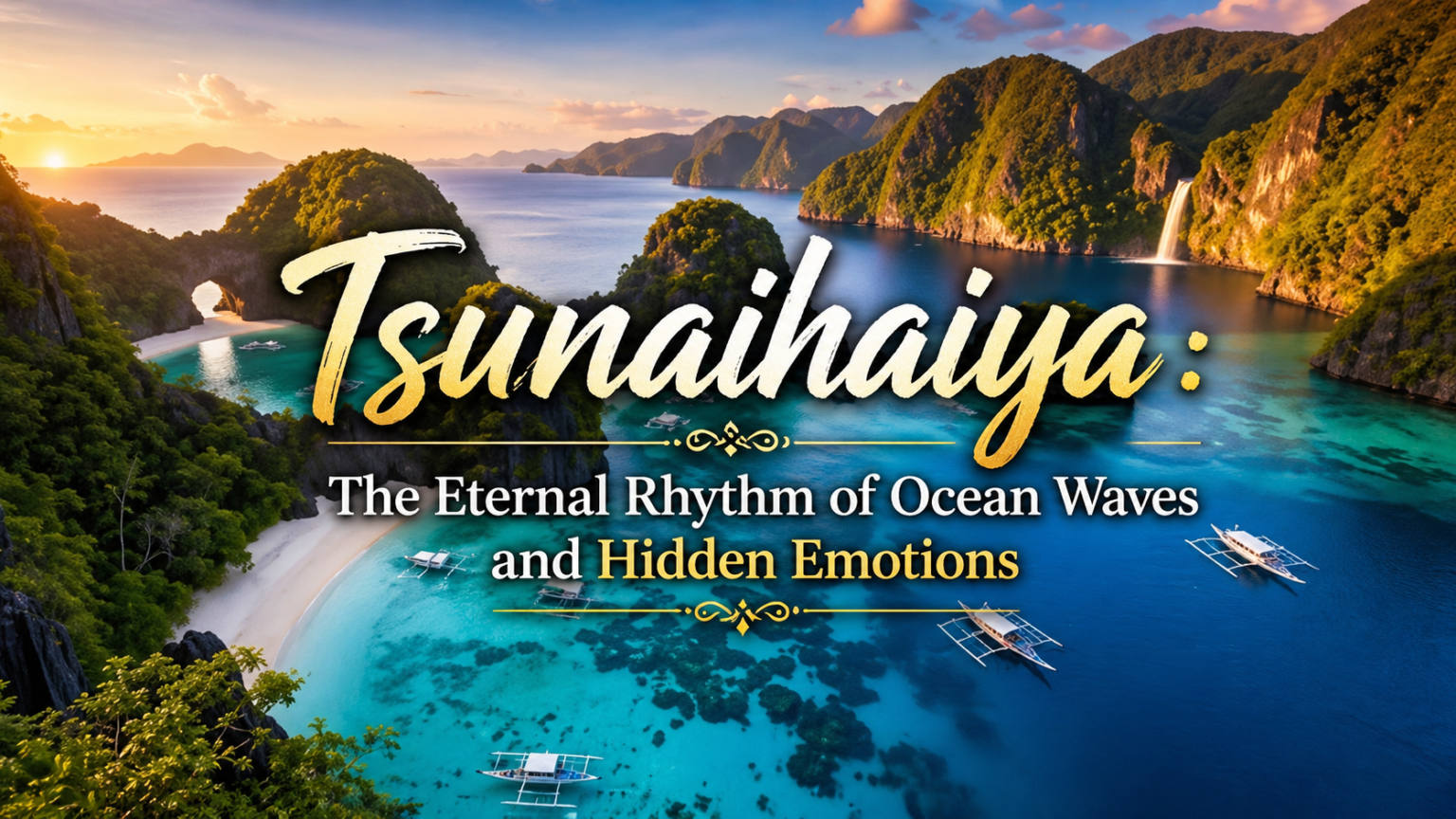
Tsunaihaiya represents a poetic fusion of nature, emotion, and rhythm, symbolizing the deep connection between human feelings and the endless motion of the ocean. It is not just a word but an imaginative expression of how waves mirror the hidden layers of human emotion. The ocean, with its unpredictable strength and calm serenity, becomes a metaphor for the inner world of thoughts, memories, and unspoken feelings.
The Ocean as a Symbol of Eternal Rhythm
The ocean has always been a powerful symbol of continuity and timeless movement. In, this idea is central, as the waves represent an eternal rhythm that never stops, even when unseen. Each wave carries energy from distant places, blending past, present, and future into a single flowing motion that reflects life itself.
This eternal rhythm also mirrors the cycles of human existence. Birth, growth, change, and transformation occur just like tides rising and falling. Tsunaihaiya captures this natural pattern, reminding us that life is not static but continuously evolving, shaped by forces both visible and invisible.
Hidden Emotions Beneath the Surface
Beneath the calm surface of the ocean lies a complex world of movement, pressure, and mystery. Tsunaihaiya uses this idea to represent the hidden emotions within human beings—feelings that are often unspoken or deeply buried. Just as the ocean conceals vast ecosystems, people also carry emotional depths that are not always visible.
These hidden emotions may include memories, desires, fears, and dreams that shape a person’s identity. Tsunaihaiya reflects how these emotions, like underwater currents, influence behavior and thoughts without always being directly expressed. It suggests that understanding oneself requires diving beneath the surface, just as one would explore the ocean’s depths.
The Connection Between Nature and Human Experience
Tsunaihaiya highlights the strong connection between natural elements and human emotion. The ocean is not separate from humanity; instead, it reflects the same patterns found within human life. The rise and fall of waves can symbolize emotional highs and lows, creating a shared rhythm between nature and the self.
This connection encourages mindfulness and awareness of the surrounding environment. By observing the ocean, one can better understand personal emotional cycles. Tsunaihaiya becomes a reminder that humans are part of a larger natural system, where emotions and nature move in harmony rather than isolation.
The Artistic Expression of Tsunaihaiya
Tsunaihaiya also serves as a powerful inspiration for artistic creation. Writers, musicians, and visual artists can interpret it as a source of emotional and natural imagery. The flowing rhythm of waves can be translated into music, poetry, or visual designs that express depth and movement.
In art, Tsunaihaiya becomes a symbol of fluid creativity. It encourages artists to explore themes of transformation, emotion, and nature without restriction. This artistic freedom allows for the creation of works that feel alive, constantly shifting like the ocean itself.
Emotional Healing Through Ocean Imagery
One of the most meaningful aspects of Tsunaihaiya is its connection to emotional healing. The ocean is often associated with calmness and reflection, and its rhythmic waves can have a soothing effect on the human mind. Tsunaihaiya represents this healing process, where emotions are acknowledged and gradually released.
By imagining oneself connected to the ocean, it becomes easier to process complex feelings. The steady rhythm of waves encourages relaxation and emotional balance. Tsunaihaiya symbolizes this therapeutic journey, where inner peace is achieved through acceptance and flow rather than resistance.
Philosophical Depth and Inner Reflection
Tsunaihaiya carries a deep philosophical meaning that encourages self-reflection and awareness. It suggests that life, like the ocean, is vast, unpredictable, and constantly moving. Understanding this movement helps individuals accept change as a natural part of existence.
This philosophy also emphasizes the importance of introspection. By looking inward, people can discover hidden emotions and understand their true selves. Tsunaihaiya becomes a metaphor for this journey of self-discovery, where emotional depth leads to greater clarity and wisdom.
Tsunaihaiya in Modern Creative Culture
In modern creative culture, Tsunaihaiya can be seen as a conceptual inspiration for digital art, storytelling, and multimedia experiences. Its blend of nature and emotion fits well into contemporary themes of mindfulness, identity, and emotional expression. It offers creators a unique framework to build immersive narratives.
As digital platforms evolve, concepts like Tsunaihaiya help bridge traditional symbolism with modern innovation. It encourages creators to explore emotional storytelling in new ways, combining visuals, sound, and interactive experiences that reflect the continuous rhythm of life and emotion.
The Flow of Silence and Inner Awareness
Tsunaihaiya also represents the quiet spaces between emotional waves—the silence that exists beneath movement and sound. In these pauses, individuals often find clarity, where thoughts settle and emotions become easier to understand. Just like the ocean has deep still zones beneath its surface turbulence, human consciousness also contains moments of calm that allow reflection and awareness to emerge naturally.
This silence is not emptiness but a form of subtle communication between the self and inner emotions. Tsunaihaiya encourages embracing these quiet intervals instead of fearing them, as they often hold the answers to emotional confusion. By recognizing the value of stillness, one can achieve a deeper understanding of personal identity and the hidden layers of feeling that shape everyday life.
FAQs
1. What does Tsunaihaiya mean?
Tsunaihaiya represents the symbolic connection between ocean waves and hidden human emotions.
2. Is Tsunaihaiya a real word?
It is a creative and conceptual term used to express emotional and natural harmony.
3. What does the ocean symbolize in Tsunaihaiya?
The ocean symbolizes eternal rhythm, emotional depth, and continuous life cycles.
4. How does Tsunaihaiya relate to emotions?
It reflects how human emotions flow like waves—sometimes calm, sometimes intense.
5. Can Tsunaihaiya be used in art or writing?
Yes, it is a strong creative concept for poetry, storytelling, music, and visual art.
Conclusion
Tsunaihaiya: The Eternal Rhythm of Ocean Waves and Hidden Emotions is more than a poetic idea—it is a reflection of life’s continuous movement and emotional depth. It connects the vastness of the ocean with the complexity of human feelings, showing that both are part of the same universal rhythm. Through this concept, we learn to observe life more deeply and understand that change, emotion, and flow are natural and interconnected.